Tron is moving back onto the crypto market watchlist as fresh network data points to a stronger stablecoin payments narrative while TRX trades near $0.315. The setup gives traders a different angle from the recent Bitcoin, Ethereum and ETF-led rotation: whether real transaction activity can support relative strength in a market still sensitive to liquidity, regulation and risk appetite.
Recent Q2 figures showed Tron increasing its share of the stablecoin market to 28.7% by the end of June, up from 27.3% at the end of March. The network also retained a dominant role in peer-to-peer stablecoin transfers, with roughly 93% of its stablecoin transfer volume classified as P2P. That matters because it frames Tron less as a speculative smart-contract story and more as a payments rail competing for settlement activity.
The timing is important for cryptocurrency investors. Policy momentum around stablecoins has accelerated in July, with U.S. and U.K. officials outlining a more coordinated direction for cross-border stablecoin markets. While these recommendations do not remove execution risk for issuers or blockchains, they reinforce the idea that regulated stablecoin infrastructure is becoming a core part of digital finance rather than a side theme.
Stablecoin Demand Becomes the Main Tron Market Signal
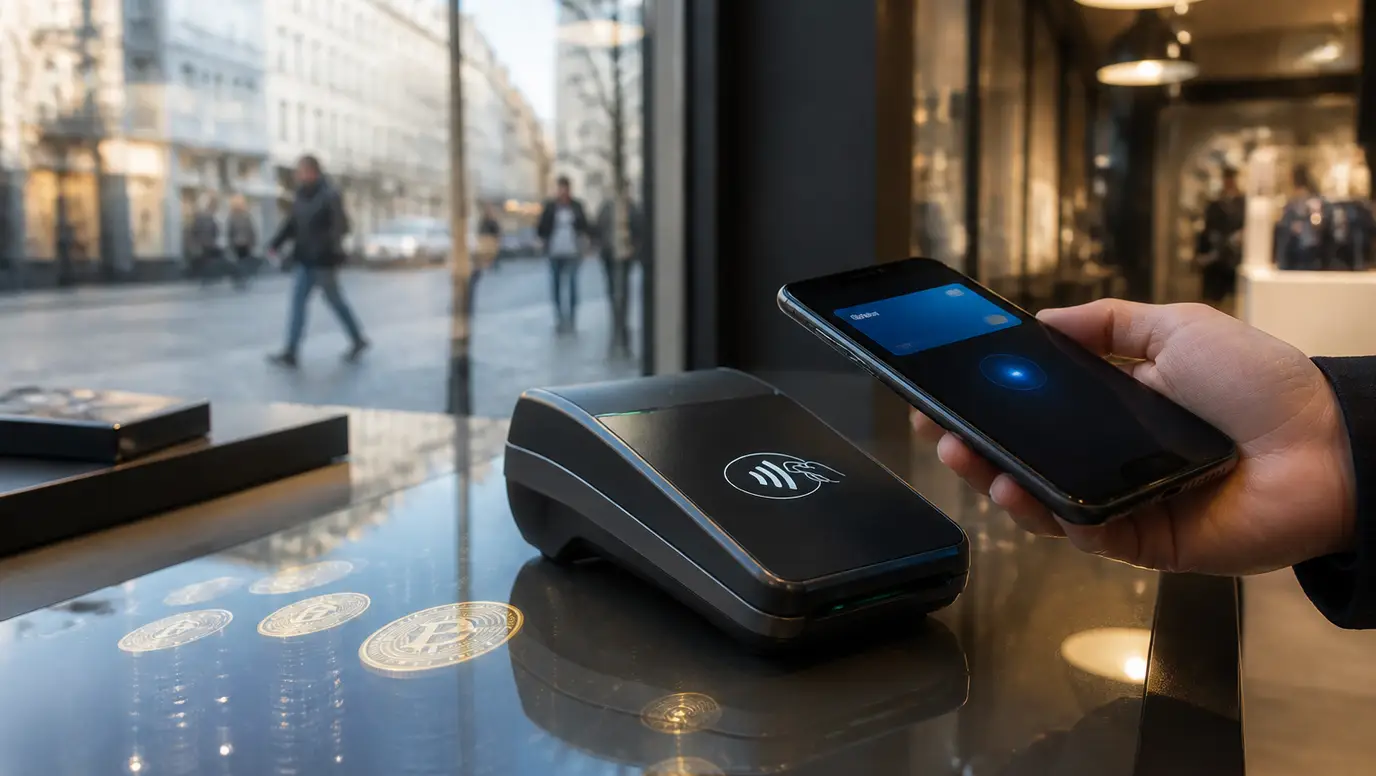
For TRX, the market question is no longer simply whether stablecoin supply on Tron is large. The question is whether that activity produces durable fee demand, user retention and institutional confidence. Q2 data showed crypto payment card volumes rising to $2.4 billion from $2.0 billion in the previous quarter, while Tron's share of chain-level volume increased to 34%. That supports the view that the network remains highly relevant for low-cost, high-frequency settlement.
Traders are likely to watch whether stablecoin balances remain sticky during periods of broader crypto volatility. A large stablecoin base can make a network look defensive when speculative flows fade, but it can also expose the chain to concentration risk if activity depends heavily on one asset type or a narrow group of use cases. For that reason, the utility case for Tron is strongest when payment volume, active users and fee generation rise together.
TRX price action has been more restrained than the network headlines. Around the $0.315 area, the token is still being valued cautiously by a market that has recently rewarded liquidity leaders but punished assets that fail to convert activity into token demand. A move higher would likely require evidence that stablecoin throughput is translating into sustained revenue and staking incentives, not just impressive headline settlement numbers.
Regulation Adds Support but Also Raises the Bar
The regulatory backdrop is becoming more supportive for stablecoins, but it is not automatically bullish for every crypto asset linked to stablecoin activity. Clearer reserve, redemption and insolvency standards could increase confidence in digital payment tokens, yet tougher compliance expectations may also favor larger issuers, regulated intermediaries and chains that can demonstrate operational resilience.
That creates a two-sided market for Tron. On one side, the network benefits from being one of the most active stablecoin transfer venues in the world. On the other side, investors may demand more transparency around the quality of flows, the geographic distribution of activity and the degree to which payment usage contributes to TRX value capture.
Tokenization is another part of the story. As traditional markets test blockchain-based settlement, the stablecoin networks with proven transaction capacity may attract more attention from payment firms and trading venues. Tron is not alone in that race, but its established stablecoin footprint gives it a credible seat in the discussion, especially if demand for cross-border digital dollars continues to grow.
What Traders Are Watching Next
The near-term test is whether TRX can decouple from broader crypto hesitation. If Bitcoin remains range-bound and ETF-driven rotation cools, traders may look for utility-led narratives with measurable on-chain traction. Tron fits that screen, but the token still needs confirmation from price momentum and volume expansion.
Key indicators include stablecoin supply on the network, daily transfer counts, active addresses, fee revenue and whether payment-card or merchant-linked volumes continue to grow. A steady rise across those metrics would strengthen the argument that Tron is benefiting from structural stablecoin adoption. A drop in activity, by contrast, would leave TRX exposed to the same speculative compression affecting weaker altcoin trades.
For now, Tron offers one of the cleaner utility debates in the crypto market. The network's stablecoin role is expanding at a time when regulators are trying to bring more certainty to digital payments. The opportunity for bulls is that real usage may become more valuable as the market matures. The risk is that utility alone may not be enough unless TRX captures more of the economics behind that activity.